


Jewelry is more than just decoration. It is a form of self-expression, a symbol of personal history, and for many, a smart financial choice. In 2026, interest in both vintage and modern jewelry continues to grow, with collectors, fashion lovers, and everyday buyers asking a key question: which type of jewelry is worth investing in?
This article on vintage vs modern jewelry explains differences, quality, value, top brands, and what buyers should look for. Whether you are buying jewelry for style, sentiment, or financial growth, understanding the strengths and risks of each option can help you make confident choices.
Vintage vs Modern Jewelry
What Is Vintage Jewelry
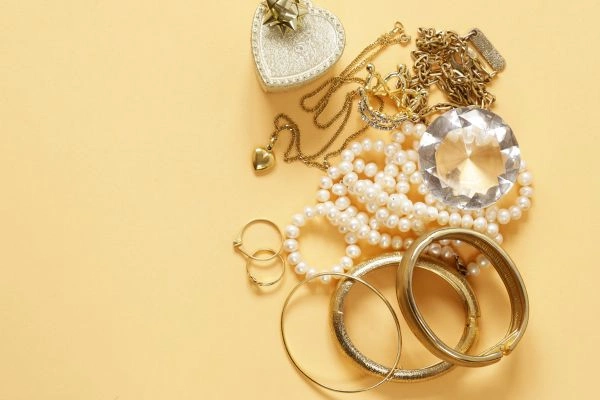
Vintage jewelry refers to pieces that are aged but not necessarily antique. Generally, the term applies to pieces that are at least 20 to 30 years old and reflect the design trends of the time they were made. These pieces include earrings, rings, necklaces, bracelets, and brooches from past decades, such as Art Deco, Retro, Mid-Century, and the bold styles of the 1970s, 80s, and 90s.
A vintage item often carries a distinct look that tells a story of fashion from a particular era. It also shows craftsmanship and material quality that are less common in mass-produced jewelry today.
What Is Modern Jewelry
Modern jewelry refers to pieces created in recent years. These range from high-end fine jewelry from luxury brands to contemporary designs by independent makers. Modern jewelry often reflects current fashion trends, technological advances in gems and metals, and new approaches to customization and sustainability.
Modern jewelry also includes lab-grown diamond pieces, new metal alloys, and innovative styling that appeal to buyers who value ethical sourcing and modern aesthetics.
Why People Invest in Jewelry
Jewelry can be more than something pretty to wear. Many buyers consider jewelry an investment for several reasons.
Emotional and Sentimental Value
Jewelry often marks important events such as weddings, anniversaries, graduations, and birthdays. These pieces become heirlooms that connect generations and preserve memories.
Style and Personal Expression
Whether worn daily or for special occasions, jewelry is a way to express identity and style. Statement rings, classic pearls, and custom necklaces add depth to personal fashion.
Tangible Value and Potential Financial Growth
Unlike many fashion items, jewelry often holds intrinsic value due to the precious metals and gemstones used. Quality pieces, especially those with rare gemstones or renowned makers, can increase in value over time.
How Value Is Determined in Vintage Jewelry
Value in vintage jewelry depends on several key factors:
Age and Rarity
Older pieces from notable periods such as Edwardian, Art Nouveau, or Art Deco can be especially valuable. Rare designs or limited production runs add to desirability and price.
Craftsmanship and Materials
Handmade pieces with fine workmanship, quality settings, and well-matched stones tend to hold their value. Vintage gems such as old mine-cut diamonds, rubies, and sapphires often have character traits that differ from modern cuts.
Condition and Authenticity
A well-kept vintage piece in good condition is more valuable than a worn or damaged one. Authenticity documentation, original boxes, or maker’s marks help buyers trust the origin and quality of a piece.
Provenance
How Value Is Determined in Modern Jewelry
Modern jewelry often relies on a different set of value factors.
Brand and Designer Reputation
Pieces from prestigious luxury houses like Cartier, Tiffany & Co., Bulgari, and Van Cleef & Arpels often command higher prices due to their brand reputation and historical appeal. Limited editions or signature collections from these brands retain value well.
Quality of Materials
Modern jewelry may use traditional gemstones, high-quality metals, or newer materials such as lab-grown diamonds. Certifications from gemological labs and strict quality standards help buyers understand exactly what they are purchasing.
Innovation and Craft
Contemporary makers often emphasize unique design and craftsmanship. Independent designers may offer bespoke rings and necklaces that appeal to collectors and trend setters.
Ethical and Sustainable Practices
Many modern jewelry brands are now focusing on ethical sourcing, recycled metals, and transparent supply chains. Buyers who care about environmental and social responsibility may find added value in pieces that align with those values.
Vintage Styles That Hold Value
Certain vintage styles have stood the test of time and remain in demand among buyers and collectors.
Art Deco Jewelry
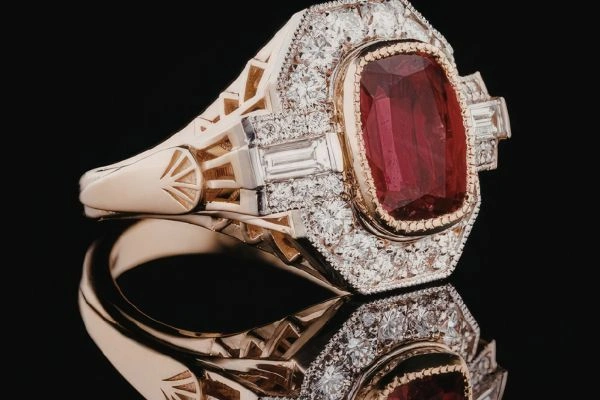
Art Deco pieces from the 1920s and 30s are known for geometric patterns, bold contrasts, and architectural influence. Diamonds, emeralds, sapphires, and rubies are common in these designs. Because of their distinct aesthetic and historical appeal, Art Deco rings and bracelets are often valuable and highly sought after.
Retro and Mid Century
Jewelry from the 1940s and 50s has a glamorous look with large stones and flowing lines. Mid-century cocktail rings and signed pieces from makers like Trifari or Eisenberg are collectible and beloved in vintage markets.
1980s and 90s Collector Pieces
Bold gold chains, charm bracelets, and statement pearls from the 1980s and 90s are experiencing a resurgence in fashion circles. Pieces from designers such as Chanel and YSL from these decades can be valuable, especially when in good condition with original packaging.
Modern Jewelry Trends Worth Watching
Contemporary jewelry is evolving with exciting trends that appeal to both style lovers and investors.
Lab-Grown Diamonds
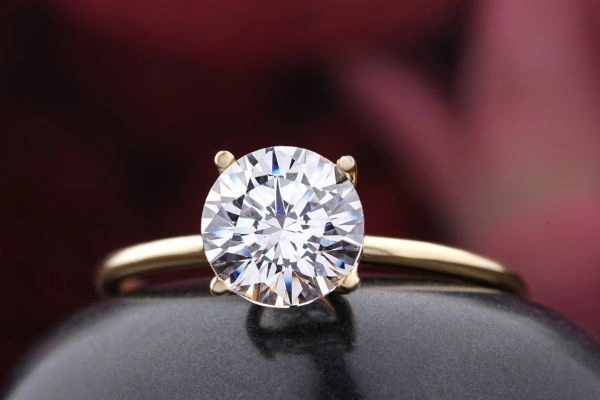
Lab-grown diamonds have become increasingly popular as an ethical and cost-effective alternative to mined stones. Brands like Brilliant Earth, Vrai, and Clean Origin offer certified lab-grown diamond engagement rings and fine jewelry that look identical to mined diamonds at a lower price point. Many buyers now see these stones as smart investments that deliver sparkle without compromising values.
Minimalist and Everyday Fine Jewelry
Designs that pair well with daily wear are trending. Simple gold bands, fine chain necklaces, and stackable rings are classic staples that remain stylish year after year. Brands such as Mejuri, Missoma, and Jenny Bird have built loyal followings with jewelry that fits modern lifestyles.
Statement and Sculptural Pieces
Bolder designs that feel like art are also popular. Sculptural earrings, oversized links, and asymmetrical shapes create standout looks that fuse fashion and jewelry. Pieces from contemporary designers like Anissa Kermiche and Sophie Bille Brahe have gained attention for their unique design and collectible appeal.
Comparing Investment Potential
Deciding whether vintage or modern jewelry is a better investment depends on the buyer’s goals and preferences.
Long-Term Appreciation
Some vintage pieces have shown strong appreciation over time, especially rare and collectible items. Pieces with historical significance or from top makers sometimes sell for much more at auction than their original prices.
Modern pieces from prestigious brands also hold value, particularly limited editions or signature collections with strong market demand.
Liquidity and Market Demand
Modern luxury jewelry is often easier to sell through established retail channels and global marketplaces. Vintage pieces may sell for high prices at auctions or specialty dealers, but the market for certain eras can be niche.
Wearability and Relevance
Vintage pieces can have timeless charm, but younger buyers sometimes prefer modern styles that feel more aligned with current fashion. Investing in jewelry that is both beautiful and wearable can increase the likelihood that it will be passed down or resold.
Emotional Value Versus Financial Return
Jewelry may be purchased for sentiment as much as for financial reasons. A piece that holds personal meaning may be worth more to the owner than its resale value.
Tips For Buying Vintage Jewelry
Vintage jewelry requires careful attention. These tips help buyers evaluate quality and authenticity.
Research Era and Style
Understanding the stylistic traits of different jewelry periods helps buyers spot genuine pieces and avoid reproductions.
Check For Maker’s Marks
Many valuable vintage pieces are signed or stamped with a maker’s mark. This can confirm origin and add to value.
Inspect Condition Closely
Look for wear, repair history, and clarity around stones and settings. A piece that has been well cared for usually has better long-term strength and value.
Get Independent Appraisals
For high-value pieces, enlist a certified gemologist or appraiser. This can increase confidence in price and authenticity.
Tips For Buying Modern Jewelry
Modern jewelry purchase decisions also benefit from careful thought.
Understand Certification And Quality Ratings
For gemstones and diamonds, certification from trusted laboratories such as the Gemological Institute of America (GIA) or International Gemological Institute (IGI) ensures buyers know what they are paying for.
Consider Brand Reputation
Well-established brands often provide warranties, repair services, and consistent quality. This can make modern pieces easier to maintain and resell.
Look At Material Sustainability
For buyers conscious of ethical concerns, choose brands that use recycled metals, fair-trade stones, or lab-grown gems.
Think About Future Wear
Choose styles that work with many outfits and occasions. Timeless looks often outlast fads and remain valuable longer.
Where To Buy Vintage And Modern Jewelry
The way jewelry is purchased has changed with online marketplaces, auction houses, and boutique retailers all offering different advantages.
Auctions And Estate Sales
Auction houses like Sotheby’s, Christie’s, and Phillips frequently feature high-end vintage jewelry. These venues can uncover rare pieces with documented history and provenance.
Specialty Vintage Jewelers
Shops that focus on vintage jewelry often offer expert curation and restoration services. These sellers can help buyers understand the story and value of each piece.
Modern Jewelry Retailers
Luxury boutiques, brand stores, and authorized online retailers provide access to the newest collections. Many offer customization, warranty service, and styling support.
Online Marketplaces
Sites such as 1stdibs, The RealReal, and Vestiaire Collective combine vintage and modern jewelry offerings from multiple sellers. Verified listings with authentication services can make online buying more secure and accessible.
Case Studies Of Notable Jewelry Investments
Learning from past success stories can help buyers understand what can be appreciated over time.
Historic Art Deco Diamond Ring
An Art Deco diamond ring dating from the 1920s sold at auction for a price multiple times its original value due to its rare cut, excellent condition, and detailed craftsmanship. Pieces like this show the long-term potential of well-chosen vintage jewelry.
Modern Limited Edition Gold Necklace
A limited edition gold and sapphire necklace from a top luxury brand increased in market value after selling out within months of release. Modern pieces with limited production runs can attract collectors and appreciate faster than basic designs.
Common Misconceptions About Jewelry Investment
Buyers often have questions or assumptions that need clarification.
All Jewelry Will Increase In Value
Not all jewelry appreciates. Mass-produced items without rare stones or unique designs may not grow in value, even if they are beautiful.
Bigger Is Always Better
Large diamonds or oversized gemstones may be impressive, but cut quality, clarity, and craftsmanship often influence value more than size alone.
Vintage Jewelry Is Always Superior
Vintage pieces carry history and charm, but modern jewelry may offer better durability, ethical sourcing, and contemporary style that holds appeal over time.
Making Smart and Stylish Jewelry Decisions
Deciding between vintage and modern jewelry depends on personal priorities, tastes, and investment goals. Vintage jewelry carries history, rarity, and unique character that can grow in value and charm. Modern jewelry offers fresh design, ethical sourcing, and often easier resale through established channels.
Both categories have strong offerings that appeal to buyers for different reasons. Understanding what to look for when evaluating pieces, where to buy, and how to assess long-term worth can help buyers make smart and satisfying choices.
Whether the choice is a classic vintage ring from the early 20th century or a contemporary statement necklace from a leading designer, the right piece of jewelry can be both meaningful and worthwhile.